Welcome to our friendly Temu sizing guide, perfect for U.S. shoppers. This intro shares how Temu’s size chart and measurements ensure a great fit every time. Learn to measure correctly, understand seller charts, and pick sizes that feel good and lessen returns.
This guide dives into the importance of right sizing, navigating Temu’s chart specifics, step-by-step measuring, and choosing correctly for various clothing types. Gain insight on fabric stretch, fit styles, and leveraging customer feedback to verify Temu sizing before making a purchase.
Anúncios
If you’re tired of returning items or unsure about sizes, this piece is for you. Measure once before shopping and keep this guide handy for hassle-free, well-fitted Temu buys.
Key Takeaways
- Use precise Temu measurements to match your body to the Temu size chart for a more reliable fit.
- Measure bust/chest, waist, hips, and inseam before ordering to reduce returns.
- Check garment measurements and fabric stretch for the perfect fit Temu items.
- Read seller photos and reviews for real-world cues on Temu apparel sizing.
- Bookmark this guide and measure each season—sizes can vary by style and brand on Temu.
Why Accurate Sizing Matters for Temu Shoppers
Finding the right size on Temu affects how comfy you feel in your outfits. It saves time on returning clothes that don’t fit right. When you understand sizing, you enjoy shopping more.
Common sizing challenges when shopping online
Different sellers have their own size charts, making it hard to know what will fit. An “M” in one brand could be an “S” in another. Size charts and pictures can be misleading without trying stuff on.
Sometimes, sizes are listed wrong due to errors or packaging mistakes. These issues can surprise shoppers and lead to returns.
How fit impacts comfort, returns, and cost
The right fit means more comfort and wearing what you buy more often. If it’s too tight or loose, you won’t be happy or wear it much.
Wrong sizes mean more returns, costing you time and money. Dealing with returns increases what you really pay, and too many returns hurt the environment.
Choosing the right size makes your clothes last longer and reduces returns. Small checks before buying help save money and the earth.
Differences between international and U.S. sizing
Many Temu sellers list sizes differently than in the U.S. The listed measurements might be in centimeters. So, understanding these numbers is key.
A size 6 in the U.S. might be an “M” or “L” from different sellers. Always look at the size chart and seller’s notes to avoid surprises. Compare your clothes’ measurements to what’s listed on Temu for the best fit.
How Temu Sizing Works: Charts, Measurements, and Labels
To get the right size on Temu, always check the chart first. Size charts on Temu show important measurements like bust or chest, waist, and more. These charts often use centimeters. Convert them as needed and keep a tape measure handy.
Interpreting size charts
Start by seeing if the chart lists body or garment sizes. Some show flat measurements. For half-width numbers, double them to find the full size. Watch for notes on how much extra space to add for comfort.
To read size charts, follow these steps:
- Choose inches or centimeters, matching your tape measure.
- Match your measurements to the “body” column or the garment’s measurements plus ease.
- Add extra space for items like jackets; reduce for snug fits.
Understanding garment vs body measurements
Your body measurements show your actual size. Garment measurements tell you how big the piece itself is. To see if it fits, compare your size to the body-size column or the garment’s size plus ease.
Ease creates room for movement. For example, a blazer has a little ease, but a t-shirt has more. Always measure using the same unit as the chart.
What size labels mean
Size labels like S, M, L, XL don’t mean the same thing everywhere. They can vary a lot. Numeric sizes may be more accurate but also differ by brand.
Use size labels as a guide. Always check Temu’s size charts to choose. An XL in one brand might be an L in another. Always trust the measurements over the label.
Temu Sizing Guide: Find Your Perfect Fit for All Apparel
When you buy clothes online, knowing your body’s measurements helps a lot. With a few simple tools and notes, you can easily find a great fit on Temu and avoid returns.
Tools: you’ll need a flexible measuring tape, a mirror, tight clothing, a pen, and paper. Write down your measurements to compare them later.
Step-by-step body measurement guide
Measure your chest or bust at the widest part. Make sure the tape is straight and flat. Remember to breathe normally during this.
Identify your natural waistline. It’s the slimmest part. Measure there without holding your breath in. Also, think about how you like your pants to sit.
The hips measurement involves the widest point of your hips and rear. Place the tape about 7–9 inches below your waist. The tape should be snug, but not tight.
For finding your inseam, measure from the crotch down to the ankle. Do this on the inside of your leg. It’s best to measure while wearing the shoes you’ll wear with these pants.
If needed, measure the width of your shoulders from one seam to another, and the sleeve length from your shoulder to your wrist. This is especially useful for jackets and long sleeves.
How to measure for specific items
For tops and blouses, getting the right bust and shoulder measurements is key. Also check the sleeve and torso length if you’re looking at cropped or longer styles.
To choose a dress, you need to know your bust, waist, hips, and the dress’s total length. Focus on bust and waist sizes for a good fit in more fitted dresses.
Pants and skirts need accurate waist, hip, rise, and inseam measurements. Remember to measure where the waistband will sit for high-rise or low-rise styles.
Outerwear like coats and jackets should be measured around the chest and shoulders. Don’t forget to add a bit more room so you can wear layers underneath.
Using your measurements to pick the right Temu size
First, convert your measurements to match the units (inches or centimeters) used in Temu’s size chart.
Some sellers list the clothes’ measurements, and others list body measurements. Clothes measurements usually mean you should add a bit for a comfortable fit.
If the listing shows clothes measurements, add 2–4 inches to find a relaxed fit. Choose a smaller size for a tighter fit. Consider how stretchy the fabric is too.
If you’re in between sizes, think about the fabric, how you want it to fit, and the return policy. Sometimes, buying two sizes to try at home is the best choice.
Keep your measurements like bust, waist, hips, and inseam saved in your Temu account or a personal file. This makes shopping easier and faster for future purchases.
Sizing Tips by Apparel Type: Dresses, Tops, Bottoms, Activewear
Learn how to tie your body measurements to the shapes of clothes. Understand the key aspects of each type of apparel. This way, you can quickly find outfits that look and feel great on you.
Choosing the right dress silhouette and size
First, figure out the dress shape: bodycon, sheath, A-line, wrap, or shift. Bodycon and sheath styles need a close fit at the bust and waist. A-line and shift dresses need a good fit at the bust and correct length, but more room around the hips.
Wrap dresses adjust to your body. If unsure about your size, go smaller with wrap styles because they can be loosened. Always check the dress length to ensure it looks right, whether you prefer mini, midi, or maxi.
Fit advice for tops and blouses
For structured tops and blazers, get the shoulders and chest right. A tailor can fix slight issues easily.
Elastic or smocked blouses need a good fit at the bust. Choose your regular size for relaxed t-shirts, or go smaller for a tighter fit. Try comparing your measurements to the sleeve and shoulder details for the best fit.
Pant and skirt fit: rise, inseam, and waist considerations
The rise of pants affects where they sit on you. Measure your preferred rise to find the right fit. The inseam decides the pants’ length—ankle, full, or cropped. Shorter people might need to hem their pants.
Skirts need the right waist and hip size. Pencil skirts need precise hip measurements for comfort. Stretchy materials are more forgiving, but woven fabrics aren’t. Always compare your measurements with the sizing chart before buying.
Activewear and swimwear sizing specifics
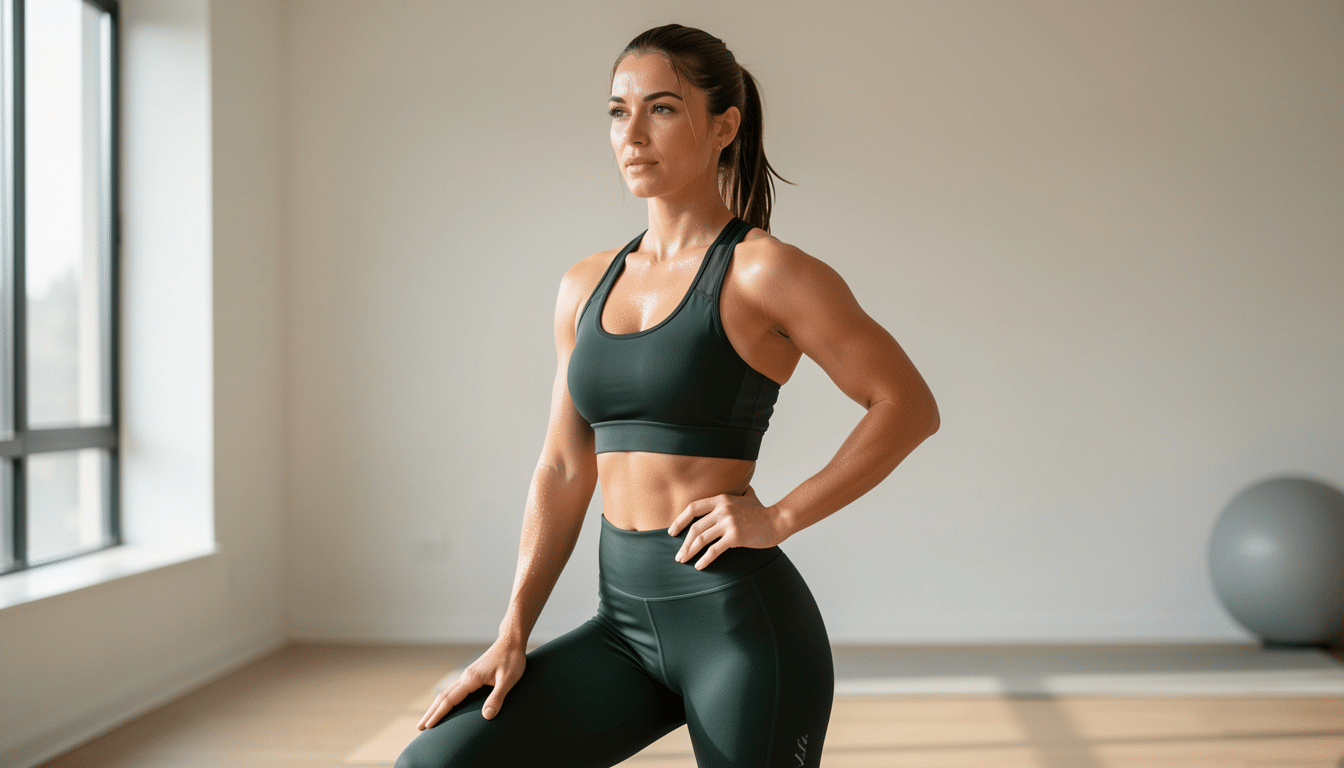
Activewear needs the right blend of stretch and support. Focus on waist and hip sizes for leggings and shorts. For sports bras, getting the bust and band right is crucial. Look at the spandex or elastane content for an idea of the fabric’s stretch.
For swimwear, pay attention to bust, waist, hips, and torso length for one-pieces. If unsure, size up in tight-fitting items for more comfort. Make sure swimwear fits well at the bust and hips for enough support and cover. Always refer to the size guide on the product page to help you decide.
How to Account for Fabric, Fit Style, and Reviews
Choosing the right size is more than just numbers. Consider the fabric, how it’s supposed to fit, and what others say. This helps make a good choice.
Fabric stretch and how it affects size choice
Look for elastane, spandex, or Lycra on the label. For active leggings with 5%–8% spandex, your usual size is fine because they stretch. But woven cotton, linen, and hard denim don’t stretch much. For these, you need to measure your waist and hips correctly or choose a bigger size for comfort.
The weight and flow of a fabric can affect how clothes look on you. Heavy knits fall differently compared to light jersey. Think about if you need to go a size up for stiff fabrics or stick to your size for stretchy ones.
Loose vs. tailored fits: adjusting your size selection
Tailored clothes, like blazers and fitted dresses, must fit well at the shoulders and bust. Choose based on your biggest measurement. Go a size up if you’re in between sizes for these pieces.
With baggy or big clothes, you’ve got more room to play with size. Downsize for a snugger fit but check if you can return it. Add a size when layering for freedom to move.
Reading customer reviews and seller photos for size clues
Reviews usually give useful details like height, weight, and what size was bought. This info can help guess your size. Look for common points, like if it’s often said to “runs small” or fits just right.
Real photos from sellers and buyers show how the clothes really fit and look. Try to find people with a similar shape to yours in these pictures. Reading reviews helps too; look for advice on whether to go bigger or smaller.
Checking how the fabric stretches, understanding the fit, and looking at photos can help avoid surprises. Doing all three gives you a better idea than just looking at size charts.
Returns, Exchanges, and Practical Shopping Strategies on Temu
When you buy clothes online, think ahead about returns and exchanges. Temu gives you a certain time to return most clothes, but the rules change depending on the item and the seller. Make sure to read the return policy for clothes on each product page to avoid unexpected issues, like not being able to return final-sale items or rules about returning underwear and swimwear.
To return something, don’t wear it and keep the tags on. Also, keep it in its original packaging. Normally, refunds go back to how you paid. But, some sellers or special deals might give you Temu credit instead. Before buying, find out who has to pay for return shipping.
How to document fit issues and request an exchange
Take clear pictures that show how the clothes fit you. Show any areas that don’t fit well, like tight sleeves or a too-short hem. If you can, measure the clothes while they’re lying flat. Also, include your own measurements for comparison.
To start an exchange, use Temu’s support or message them in the app. Tell them your order number, what’s wrong (like too small), and show them your photos. If you want a different size or color, check with the seller first. Make sure they have it before sending back what you got.
Be sure to follow Temu’s return steps closely. Use the labels they give you and send it back on time. For exchanges, make sure the new item is in stock. This avoids waiting longer or having to send something back again.
Smart shopping strategies to reduce returns
If you’re not sure how something will fit, order two sizes. Get the size you usually wear and one size up or down. Then you can try them both at home. Just make sure returning them won’t cost too much.
Ask sellers about the material, fit, and exact sizes before you buy. Choose sellers who give clear size charts, answer fast, and have lots of reviews and customer photos. Keep a record of sizes from sellers you trust. This makes shopping easier and helps you avoid returns on Temu.
Measuring carefully, documenting issues, and talking clearly to sellers helps a lot. These steps save you money. They also make shopping quicker and more trustworthy in the future.
Conclusion
This Temu sizing recap highlights important steps: take your body measurements accurately. Use the size chart for each item and consider how the fabric stretches. Also, look at customer reviews and photos. By following the guide in this article, you’ll pick the right size and reduce the chance of surprises when your order arrives.
Create a personal size reference sheet with your bust, waist, hips, and inseam. If unsure, message sellers and compare your measurements with the garment details. These steps will help you shop on Temu with more confidence and avoid common reasons for returns.
Don’t forget about Temu’s return policies. If something doesn’t fit, take photos to document the issue for an exchange. Keep this guide handy for future purchases. That way, you’ll ensure each order fits better and you deal with fewer returns. With careful measuring and paying attention to details, shopping on Temu will be easier and more enjoyable.
Content created with the help of Artificial Intelligence.