What do you want to win on Shein?

How do Shein fitness benefits work?

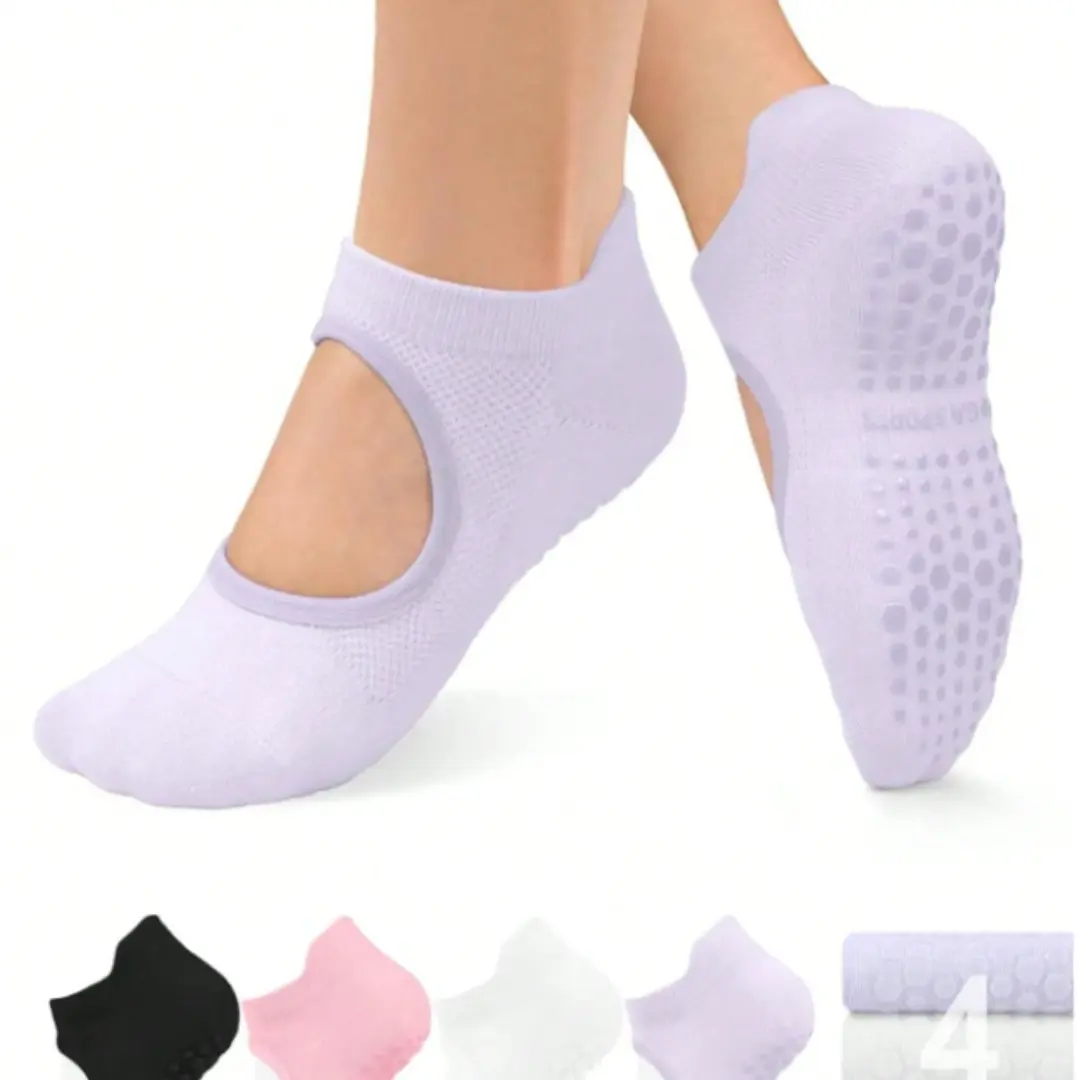
When you’re trying to decide between pilates socks and shoes, it can be tough. Studios want you to be safe and comfy. This piece helps you think about Pilates socks versus shoes. You’ll also learn about a Shein trial to try options without risk. It talks about why choosing the right footwear, like proper grip, cleanliness in shared spaces, and how they help your performance, is key.
People often wonder about how the gear will grip, fit, and last. They’re curious about rules in studios and how much to spend. Shein gives you a way to save money when trying out gear. But you can also look at what Stance, ToeSox, and Nike have, for their quality and style. You’ll find help here, whether you’re new or skilled, like the dos and don’ts, taking care of your gear, and picking what’s right for your class type.
Let’s talk about what pilates socks, grip socks, and sock shoes are. We’ll also look at how they’re different and what happens when you try them during a Shein trial. We keep coming back to terms like Pilates Socks vs Shoes and Shein trial. This is to focus on helpful tips and making sure you find what you’re looking for.
Key Takeaways
- Try a Shein trial to explore inexpensive options for pilates socks and shoes before you buy.
- A good grip helps you keep your posture and stay safe from slipping during pilates and yoga.
- Pilates socks are clean and light; sock shoes bring more protection and steadiness.
- Choose your footwear based on the pilates or yoga class you’re taking and your balance needs.
- Look up what your studio allows and check sizing guides from brands like Stance, ToeSox, and Nike.
Pilates Socks vs Sock Shoes
When deciding between pilates socks and sock shoes, how you feel in class is key. This guide helps you choose the best for your routine and spending plan.
Defining the terms: what are pilates socks, grip socks, and sock shoes
Pilates socks definition: These are low-cut socks with grips on the bottom. They come as ankle socks or toe socks, like ToeSox, for better toe movement. They help keep studios clean and prevent slipping on mats or reformers.
Grip socks include pilates and yoga socks. They have different toe designs and are made from materials like cotton, nylon, and spandex. Silicone grips on the bottom help you not slip.
Sock shoes definition: These are part sock, part shoe, with a knit top and a rubber bottom. Brands like VIVOBAREFOOT and Merrell make high-end versions. Shein offers budget-friendly ones for those wanting to try them out.
Key functional differences: traction, support, and flexibility
Traction changes depending on the design. Pilates socks have grips for safe standing on mats and floors. Sock shoes, however, have a sole that might lessen friction but still provide a good grip, especially on hard grounds.
Support is different too. Pilates socks fit closely without much added support. Sock shoes offer more protection against sharp objects and cold, which helps beginners feel steadier.
For feeling the floor, pilates socks are better. They let your toes move freely and feel every touch. Sock shoes can make it harder to sense the ground, affecting balance and the details of mat exercises.
Who benefits from each option: beginners, advanced practitioners, and cross-training
Sock shoes are good for beginners needing more stability and protection when going from outside to inside. They help with balance and keep feet safe.
People doing mat exercises usually choose pilates or grip socks. These help feel the floor better and let instructors see how feet are positioned.
Cross-trainers, who do different activities, often go for sock shoes. They are good for many settings. Pilates socks are less expensive and easy to find. Sock shoes cost more but last through various activities. Shein is a great place to test out both before buying a better pair.
Why Grip Matters in Pilates and Yoga
A good grip changes how you move your body. It offers a stable base for exercises like planks and lunges. This helps distribute your weight evenly through your feet. A steady base means you can balance better and follow along with pilates and yoga better.
How grip affects alignment and safety during exercises
When your feet don’t slip, your body aligns properly. This alignment reduces the risk of hurting your shoulders or back. Teachers from places like CorePower emphasize how a secure grip aids in breath control and muscle focus during movement changes.
Common slip-related injuries and how grip reduces risk
Slipping can cause sprains, wrist injuries, and pulled muscles. It might also worsen conditions like plantar fasciitis. By using grip socks or choosing wisely between Pilates socks and sock shoes, you minimize sliding. This action lessens injury risk during active moves.
Studio vs home practice: different grip needs
Studios often have floors that grip socks work well on. They usually ask you to wear grip socks for cleanliness and stability. At home, you might need different grips for carpets, tiles, or wood floors. Outdoor classes or uneven surfaces might require sock shoes, while yoga grip socks or a sticky mat are best for sweaty hot yoga sessions.
Choose your footwear based on where you are and how intense the session is to prevent slipping. If trying new gear, like during a shein trial, start with a low-key session. This lets you see how well the grip holds up.
Pros and Cons of Pilates Socks
Pilates socks are great for anyone practicing in studios or at home. They keep your feet clean when using shared mats and machines. Their light and airy fabrics also help control sweat, making your feet stay comfy during long workouts. These features have made them a favorite among those trying pilates or yoga, especially with brands like ToeSox and Gaiam.
Advantages: hygiene, lightweight feel, breathability
Pilates socks offer protection from germs on shared gear and floors. They’re made of materials like cotton-elastane and merino wool that whisk away moisture and allow your feet to breathe. This reduces smells and prevents skin problems. A thin sole on the socks enhances your foot movement and helps with balance during exercises that need careful weight shifts.
Limitations: less ankle support, potential wear and tear
While grip socks increase traction, they don’t offer much support for your ankles and arches. Using them on reformers or washing them often can cause the grips to fade, so they may not last as long if they’re cheap. Socks designed to separate your toes can help with balance, but some find them hard to put on.
Material and design features to look for (non-slip dots, toe separation)
- Choose cotton-spandex blends for breathability and stretch; nylon-spandex mixes for durability and snug fit.
- Look for silicone or rubber full-sole grip when you need maximum traction; heel-only grips suit light mat work.
- Reinforced heel and toe panels boost lifespan for frequent reformer users.
- Consider split-toe or toe-separation designs to encourage natural toe splay and better balance.
There’s a wide range of prices, from budget finds on Shein to high-end options like ToeSox. Test out an affordable pair before spending more on an expensive set. Following basic cleaning tips can also make them last longer. There are more care details later in this article.
Pros and Cons of Sock Shoes
Choosing the right footwear for pilates means looking at protection versus feeling the floor. Sock shoes offer a middle ground. They have clear pluses for some but minuses for others.
Advantages
- They add protection: a slight sole keeps feet safe from cold or unclean floors. This is handy for walking to your class or if you’re outside.
- They add stability: the designed soles and a bit of arch support spread out pressure. This can lessen painful spots on equipment and aid balance in some moves.
- They’re versatile: certain styles are good for both outside walks and studio time. You won’t need to change shoes.
Limitations
- They feel heavier: the extra sole lessens the barefoot feel. This can impact precise foot movements needed in pilates or certain yoga styles.
- They reduce floor sensation: harder soles change weight distribution in the foot. This might affect alignment and balance in subtle ways.
- They need careful washing: sock shoes with soles that are glued or sewn on should be washed gently. Washing in cold water and air drying prevents damage, unlike some grip socks.
When they’re overkill
For those doing only mat pilates or hot yoga in a studio, sock shoes might not be essential. Experts who need to feel the floor usually prefer grip socks or being barefoot. Choose them for more protection or if you’ll be outside before or after class.
The price and brand are key. Nike and VivoBarefoot offer durable options. Cheaper choices from shein can save money but research their quality first. Looking at other customers’ experiences can help you decide.
How to Choose Based on Your Practice
Choosing the right shoes for pilates or yoga depends on the class, what you need, and studio rules. Test different pairs to make sure you feel both comfy and steady in your moves.
Matching footwear to class type: reformer pilates, mat pilates, and hot yoga
For reformer pilates, you’ll want shoes that don’t slip. Pick ones with strong soles and extra support at the heel to avoid sliding on machines.
Mat pilates sessions often mean going almost barefoot. Lightweight grips help you stay connected to the ground. In shared or warm classes, choose breathable ones to keep your feet cool and still grip the mat well.
During hot yoga, you sweat more which can cause slipping. Grip socks or a sturdy yoga towel can keep you steady. Still, check if your class allows shoes. Some need you to be barefoot for better balance and cleanliness.
Personal factors: foot shape, balance, and injury history
Foot shape affects how your pilates or yoga socks fit. Look for stretchy options or ones designed for wider feet. Toe socks can help with movement but might not fit all foot shapes.
If keeping your balance is tricky, consider sock shoes for extra support. Those focusing on strengthening their barefoot skills, though, should look for thin, high-grip socks.
For those with injuries like plantar fasciitis or ankle sprains, choose something supportive. Consider sock shoes with arch support to lessen foot strain. But, grab advice from a therapist to pick the best option.
Instructor and studio policies that influence your choice
Many studios ask that you wear non-slip shoes for safety. Check with the front desk for approved brands before buying.
New to class? Bring both socks and lightweight shoes until you know what works best there. Instructors can suggest what provides the best grip for their classes.
Want to try before you buy? A trial period lets you test different styles. Just make sure they fit the studio’s requirements to keep you safe during class.
Shein Free Trial: What to Know Before You Try
Trying new pilates gear like Pilates Socks vs Sock Shoes can be affordable and risk-free with a Shein free trial. Before you order, read the terms carefully to understand eligibility and any regional restrictions. Also, know any minimum purchase amounts. It’s smart to manage your expectations for budget-friendly items. Use the trial to explore different options for your mat work or light reformer workouts.
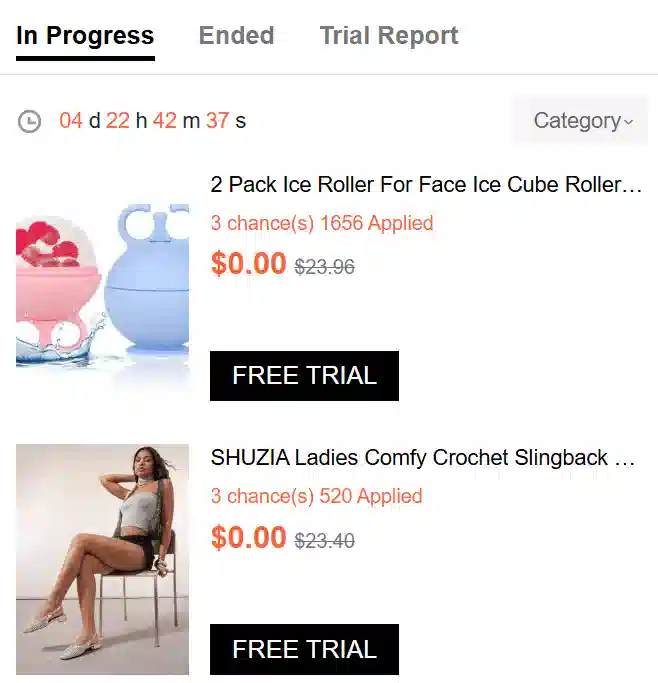
Overview of promotional details and eligibility
Shein’s promotional trials are usually short-term and might be open only to new users or specific areas. If you’re in the United States, look in the app or your account messages for the precise dates. You might need to pay a small shipping fee or place a refundable deposit which you get back if you follow their return conditions.
You will remain on the same website.
How to test pilates socks or sock shoes during the trial
Buy one pair of pilates grip socks and one pair of sock shoes from Shein to compare them. At home, try doing balance poses, planks, and lunges to see how they perform. Focus on how well they grip, support your heels, and flex with your soles. If it’s allowed, wear them to a class to test their grip on the studio floor and get your instructor’s opinion.
Return policy, sizing tips, and review checks
Shein’s return policy usually allows 15–30 days to return items. They must be in their original condition with tags still on. Remember, you might have to pay for return shipping or face restocking fees. Take photos of your items when they arrive to have proof of their condition in case you need to return them.
You will be redirected to another website.
Sizing at Shein can be unpredictable. Measure your feet, use the size guides, and read reviews from American customers to help choose the right size. If you’re buying sock shoes, consider getting a larger size for more room. When choosing pilates socks, look at the range of shoe sizes they fit and check if the material stretches well to avoid a tight fit.
Look through reviews to learn about the grip quality, how durable the soles are, and how well they are made. Pay special attention to feedback from people who have used the products in yoga or pilates classes. Use your Shein trial to decide if the products are durable and suitable for your needs before you buy more.
Care, Fit, and Durability Tips for Grip Socks and Sock Shoes
Choosing the right cleaning routine and fit is key. It keeps your gear safe and functional for pilates classes and home practice. Properly caring for grip socks and sock shoes extends their life. It also keeps traction reliable through sweaty sessions and frequent use. Here are some useful steps to follow.
Washing and drying best practices to extend life
For grip socks, wash them inside-out or in a mesh laundry bag. Use cold water on a gentle cycle with mild detergent. Avoid bleach and fabric softener to make the rubber dots and elasticity last longer.
For sock shoes, follow the instructions on the manufacturer’s label. Most recommend washing in cold water and air drying. This prevents sole separation and shrinkage. You can spot-clean stains with a soft cloth and mild soap when needed.
After sweaty pilates sessions, wash or air out your footwear. This prevents bacteria and odor. If the care label allows, try a light sprinkle of baking soda between wears or use a fabric-safe deodorizer.
How to check fit: heel grip, toe comfort, and sole flex
The heel grip should feel snug without pinching. A loose heel can cause slipping and blisters during exercises like single-leg balances and lunges.
Toe comfort is also important. Your toes should be able to splay naturally. Toe-style socks shouldn’t compress the toes or have seams that rub.
Test the sole’s flexibility by doing demi-pliés and toe articulations. Pilates socks should flex easily, allowing toe movement. Sock shoes should bend at the ball of the foot while protecting it. If you notice any hotspots or slippage, the fit needs to be adjusted.
When to replace your pilates socks or sock shoes
Replace grip socks when the silicone or rubber dots are smooth, the fabric thins, or holes develop. Another sign is loss of elasticity that causes slippage.
Replace sock shoes if the sole separates, the tread wears down, or odors persist after cleaning. Structural problems, like loose stitches or delaminated soles, also mean it’s time for a new pair.
- Frequent users (3+ classes per week) may need new grip socks every 6–12 months.
- The lifespan of sock shoes can vary based on their use and how they’re made; expect to replace them every 6–18 months if worn regularly.
- Having a backup pair and rotating sets can help them last longer. Remember to note purchase dates to keep track of when to replace them.
When deciding between Pilates Socks and Sock Shoes, think about care needs, how well they fit, and how long they’ll last with your routine. If trying items from Shein during a free trial, check the fit carefully. Follow care labels to protect your investment and performance.
Conclusion
When picking between Pilates Socks and Sock Shoes, think about what you need in class. Grip socks offer good floor touch, breathability, and keep the studio clean at low cost. They’re great for mat pilates and hot yoga where feeling the ground is key. Sock shoes provide more protection and a bit of support. They’re good for outside workouts or cross-training, but they might lessen the barefoot feel some like.
Think about your class type, foot shape, past injuries, and the studio’s rules. Reformer pilates may be okay with both, but mat work really shines with grip socks. If you worry about balance or have had foot injuries, sock shoes can help you feel safer. Always make sure the fit is right – check the heel, toe space, and how the sole bends.
Try the Shein trial to see which you prefer without spending much. But, be careful: look at size guides, what other customers say, and the return policy. Test them at home and, if possible, in one class to check their impact on your workout.
Choose what makes you feel steady and sure, so you can concentrate on your form and enjoy your workout. Remember to wash gently, dry in air, and inspect regularly. This way, your grip socks or sock shoes will last longer and support your practice better.
Content created with the help of Artificial Intelligence.