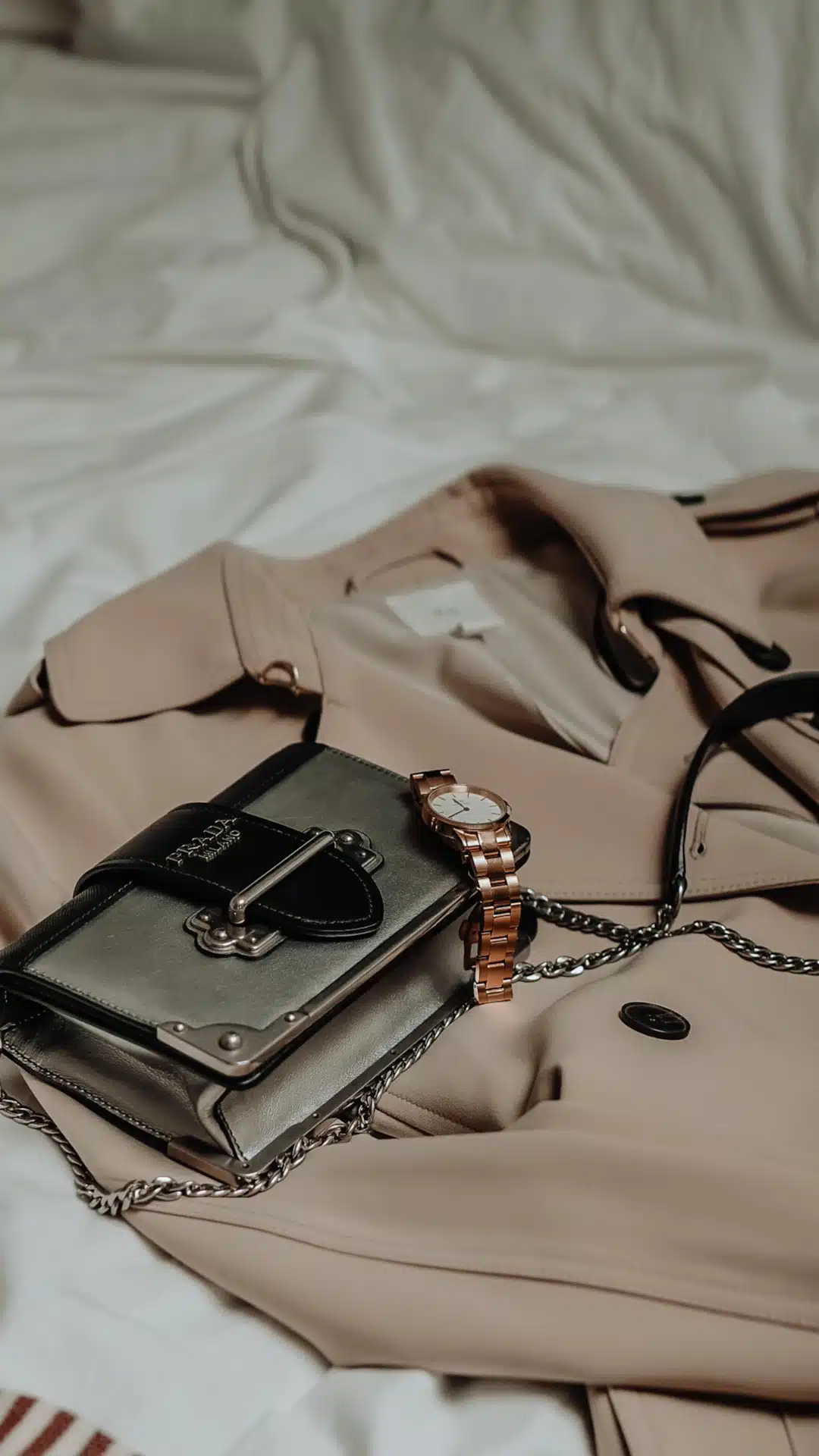
Minimal Style is about clarity, not emptiness. This guide offers ten practical tips to create a calm, stylish home. The goal is to match a capsule wardrobe mindset.
It connects simple decor choices to minimal style clothing and fashion trends. This helps wardrobes and rooms feel cohesive. Tips focus on realistic steps, affordable fashion cues, and adapting ideas to different spaces and budgets.
Anúncios
The advice is based on design best practices and brands known for clean, timeless pieces. Expect concise and actionable pointers you can try on mobile. These range from decluttering to choosing a cohesive palette and multipurpose furniture.
Key Takeaways
- Think capsule: coordinate home pieces with the simplicity of minimal style clothing.
- Prioritize function and calm over trendy clutter.
- Use a limited palette and natural materials for a warm minimalist look.
- Choose multipurpose furniture to save space and money.
- Declutter room by room with clear decision rules.
- Balance negative space with a few textured accents.
- Adjust tips to your budget and lifestyle; results vary by space.
Essential Principles of Minimal Style for Your Home
Minimal Style means fewer items, clear purpose, and visual calm. Each piece should earn its place. Form should follow function, and quality should be chosen over quantity.
Understanding the core ideas: less, function, and calm
Start by choosing multipurpose pieces. They should work hard and look simple. Limit decorative clutter and keep surfaces clear.
This reduces daily noise and decision fatigue. Think about wardrobe basics from brands like SHEIN. Simple style shein and shein basic outfits follow the same logic as home pieces.
They are versatile, neutral, and easy to layer.
How negative space influences perception and mood
Negative space is empty area that gives the eye room to rest. It makes furniture and art easier to see. This can make a room feel larger.
Empty zones lower sensory overload and support a calmer mood. Use sightlines and open paths to highlight key objects naturally.
Balancing minimalism with warmth to avoid a cold aesthetic
Minimal rooms can feel cold without warm materials and textures. Add wood, linen, wool, and warm-toned metals to soften the space.
Keep the palette mostly neutral. Then add one or two warm accents. The goal is comfort, not austerity.
- Limit the color range to create cohesion.
- Choose functional furniture that serves more than one need.
- Preserve clear sightlines to let the room breathe.
- Add texture through textiles rather than extra objects.
- Rotate items seasonally instead of accumulating more pieces.
Retail spaces and catalogs from brands focused on clean aesthetics show how function and calm work together. Minimal fashion trends offer parallels.
For example, shein neutral outfits pair basic layers just like a living room layers neutrals and texture.
Use this checklist when assessing pieces: Does it serve a purpose? Does it fit the palette? Does it add warmth or function?
If not, consider letting it go.
Decluttering Strategies to Create a Minimalist Foundation
Decluttering creates a calm and functional home. Start small and focus on what really matters. Let cleared surfaces highlight your important items.
The same idea works for wardrobes. A capsule wardrobe from shein or curated picks from shein basics women can simplify daily choices.
Room-by-room declutter checklist for lasting results
Living room: clear surfaces and limit cushions and throws to two or three. Keep media devices essential and tidy.
Bedroom: reduce clothing to a capsule-level set. Organize by use and color to speed outfit choices. This supports simple outfits women styling.
Kitchen: store rarely used appliances out of sight. Keep countertops mostly clear.
Bathroom: display only daily toiletries. Keep backups in closed cabinets.
Entryway: use single-purpose storage like a shoe tray or small console. This prevents clutter from becoming a drop zone.
Decision rules for keeping or letting go
Use the 30-day test. If you don’t use an item, consider donating or selling it. Ask if it is functional, loved, or versatile.
For clothes, judge by frequency, fit, and condition. Keep items that mix well with shein wardrobe essentials or shein basics women.
Storage solutions that maintain a clean minimalist look
Choose closed storage like low-profile cabinets and concealed wardrobes. They keep sightlines clean. Matching baskets and boxes in neutral tones reduce visual noise.
Built-ins and floating shelves save space while keeping the room open. Use under-bed storage and benches with hidden compartments to hide extras.
Adopt quick habits to keep your space tidy. Spend ten minutes tidying each night. Use a one-in-one-out rule for new items. Edit your wardrobe each season. These routines stop clutter from building again and keep your minimalist home strong.
Choosing a Cohesive Color Palette and Materials
Start with 3–5 core colors to keep a calm look. Pick base neutrals like white, beige, and gray. Add one muted accent such as olive or terracotta, and finish with a darker anchor like charcoal.
This approach supports Minimal Style and makes color choices feel intentional.
Favor natural materials that age well. Oak, ash, linen, cotton, wool, and stone add depth without clutter.
Use texture like ribbed throws, nubby rugs, and woven baskets to create contrast in a small color range.
- Finish consistency: choose one or two metal finishes like matte black or brushed brass for hardware and lighting.
- Durability: invest in durable basics for furniture and textiles to reduce turnover.
- Secondhand options: consider thrifted pieces or budget brands to stretch the budget and keep a refined look similar to shein simple style and shein clean outfits.
Think of your home palette like a capsule wardrobe. Mix-and-match pairings make rooms feel cohesive, just as minimal style clothing and shein neutral outfits simplify dressing.
Treat decor choices like outfits: each piece should work well with several others.
- Warm neutral base + pale linen + oak: cozy and natural.
- Cool neutral base + slate + black metal: modern and crisp.
- Beige + terracotta + deep brown: soft with subtle warmth.
Test colors in real light. Place fabric swatches and paint samples by windows. Check them at different times of day.
Small decor pieces help show how the palette looks across the room.
Apply the same restraint to clothing and styling. Simple outfits, shein simple style pieces, and minimal style clothing brands follow these rules.
Use a limited palette, quality materials, and textures that add life without excess.
Furniture, Layout, and Lighting Choices for Minimal Style
Minimal Style works when furniture, layout, and lighting all work together. Start with calm choices. Think of each piece like part of a capsule wardrobe.
This idea mirrors how a capsule wardrobe simplifies dressing: choose basics that mix and match well.
Selecting multipurpose and streamlined furniture pieces
Pick furniture with clean lines and little decoration. Favor a sleeper sofa, storage bench, or nesting tables that have more than one function.
- Choose quality basics that last and pair like capsule wardrobe staples.
- Limit pieces to a few well-sized items instead of many small ones.
- Test size with tape measures or apps before buying to avoid mismatches.
Arranging furniture to emphasize flow and openness
Keep clear paths in the room and anchor it with one focal piece like a sofa or table.
Arrange the other items to support that anchor.
- Place seating to allow easy movement and good conversation.
- Keep walkways clear and avoid crowding corners.
- Use one rug or mat to unite a seating area visually.
Layering natural and artificial lighting for a serene atmosphere
Maximize natural light with clear windows and sheer curtains. Layer different lighting types for warmth and flexibility.
- Choose warm bulbs in living areas to keep the style inviting.
- Add dimmers to control mood and reduce glare.
- Use task lamps for reading instead of bright overhead lights.
Incorporating texture through textiles and natural materials
Add woven rugs, linen curtains, and wool throws for warmth without clutter. Keep patterns subtle and scales small to stay calm.
- Natural fibers add touch and visual interest while staying simple.
- Limit decor to a few chosen objects, then rotate accents by season.
- Coordinate home neutrals with shein neutral or clean outfits for a cohesive look.
Treat your room like a stylish outfit for a cohesive look. Pair shein casual basics and simple style pieces with room tones.
This creates harmony between your everyday outfits and your living space.
Conclusion
Minimal Style is about editing with purpose: clear surfaces, a cohesive palette, smart storage, and furniture and lighting choices that serve daily life.
This approach works for interiors and wardrobes alike, from minimal style clothing to affordable minimalist fashion pieces that work well together.
Quick checklist for mobile scanning: 1) Start by decluttering room by room. 2) Use simple rules to decide what to keep.
3) Choose a 3–5 color palette with a neutral base. 4) Prioritize natural materials and texture. 5) Pick multipurpose, streamlined furniture.
6) Maintain clear sightlines and circulation. 7) Layer lighting for warmth. 8) Use closed storage and uniform containers.
9) Rotate a few curated accents seasonally. 10) Treat your home like a capsule wardrobe—edit often.
Next steps: try one small change this week, like reorganizing a closet or swapping a few decor items. Then reassess after 30 days.
Whether you build a shein wardrobe essentials capsule or mix in simple fashion shein finds, test changes slowly. See what fits your routine and budget.
Outcomes vary by space, budget, and lifestyle. Aim for gradual adoption instead of a full overhaul.
Pick one tip and note how the room’s mood or function shifts. This steady, informed approach helps Minimal Style stick and feel authentic to you.
Content created with the help of Artificial Intelligence.